
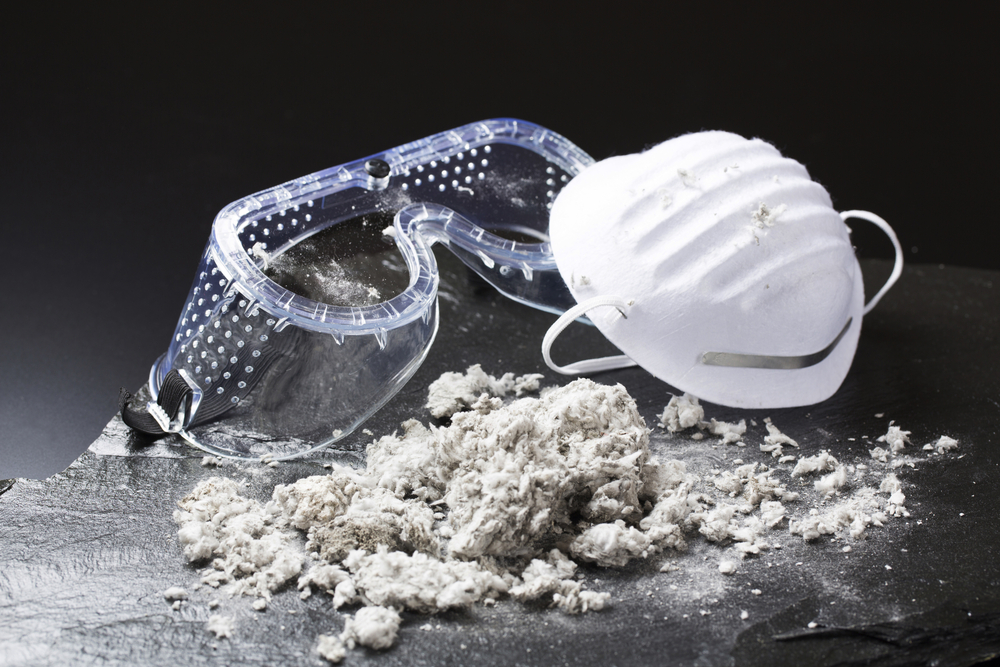
Planning a Remodel in Aspen or Vail? Why Pre-Construction Asbestos Testing is Essential
July 25, 2026 1:10 pm Leave your thoughtsPlanning a renovation in Aspen or Vail is exciting, but older homes and commercial buildings often come with hidden challenges that can affect your project timeline, budget, and safety. Before demolition or remodeling begins, knowing whether asbestos-containing materials are present can help prevent costly surprises and unnecessary health risks.
Quick Answer
Pre-construction asbestos testing is essential before remodeling older properties in Aspen or Vail because disturbing asbestos-containing materials can release hazardous fibers into the air. Testing identifies materials that require special handling before demolition begins, helping property owners comply with regulations, avoid project delays, and protect everyone on the job site.
What Local Property Owners Should Know
-
Many homes, lodges, condominiums, and commercial buildings constructed before the 1990s may contain asbestos in insulation, flooring, ceiling materials, roofing products, or textured finishes.
-
Remodeling projects in Aspen and Vail often involve luxury renovations where walls, ceilings, and flooring are removed, increasing the likelihood of disturbing hidden building materials.
-
Mountain weather shortens construction seasons, making unexpected asbestos discoveries especially disruptive to project schedules.
-
Eagle County and Pitkin County property owners can reduce delays by scheduling asbestos inspections before contractors begin demolition.
-
A professional asbestos inspection provides valuable information that helps contractors plan the renovation safely and efficiently.
Why This Matters Locally
Pre-construction asbestos testing is especially important in Aspen and Vail because many properties were built during decades when asbestos-containing materials were commonly used. Homes throughout Red Mountain, West End, East Vail, and established neighborhoods often undergo extensive remodeling to modernize interiors while preserving their original character.
Luxury mountain homes, ski condominiums, hotels, and commercial properties frequently receive upgrades between busy tourism seasons. Discovering asbestos after demolition has already begun can stop work, delay contractors, increase costs, and complicate project planning during Colorado’s relatively short construction window.
At HealthSafe Inspections Inc., we help property owners identify potential asbestos hazards before remodeling begins so projects can move forward with greater confidence and fewer unexpected interruptions.
Local Data and Field Observations
According to the U.S. Environmental Protection Agency, asbestos was widely used in construction materials for decades before its use declined and became heavily regulated. Buildings constructed before the late 1980s are more likely to contain asbestos in a variety of products.
In our field observations, renovations involving older mountain homes frequently uncover asbestos in unexpected locations, including floor tile adhesive, pipe insulation, drywall joint compound, textured ceilings, roofing materials, and exterior siding. These materials often remain undisturbed until remodeling exposes them.
Local Impact
Asbestos testing protects more than the construction crew.
For homeowners, identifying asbestos before demolition helps avoid costly project interruptions and allows renovation schedules to be planned more accurately.
For contractors, early testing provides clear information about which materials require specialized handling before work begins.
For commercial property owners, proactive testing can minimize business disruptions and help renovation projects stay on schedule during peak tourism periods in the Roaring Fork Valley and Eagle Valley.
Warning Signs Your Property May Need Asbestos Testing
Although asbestos cannot be identified by appearance alone, several factors increase the likelihood that testing is appropriate:
-
The home or building was constructed before the late 1980s.
-
Renovation plans include demolition of walls, ceilings, or flooring.
-
Original vinyl floor tiles or mastic adhesives remain in place.
-
Pipe insulation appears aged or wrapped with older materials.
-
Popcorn ceilings or textured wall finishes have never been removed.
-
Cement siding or roofing materials appear original to the building.
-
Previous renovations did not include documented asbestos inspections.
When to Call a Professional
Professional asbestos testing should occur before any demolition, cutting, drilling, sanding, or removal of suspect building materials.
Property owners can visually observe aging materials or determine the approximate construction date of a building, but asbestos cannot be confirmed through appearance alone. Laboratory analysis of properly collected samples is necessary to determine whether asbestos is present.
Scheduling testing early allows renovation planning to proceed without unnecessary delays once construction begins.
Common Local Causes
Several factors make asbestos inspections particularly relevant in Aspen, Vail, and surrounding mountain communities.
1. Older Building Stock
Many residential and commercial buildings were constructed during periods when asbestos-containing products were standard building materials.
2. Extensive Renovations
Mountain properties often undergo significant remodels to improve layouts, kitchens, bathrooms, and energy efficiency. Larger renovation projects increase the chance of disturbing hidden materials.
3. Seasonal Construction Windows
Because weather can limit outdoor construction activities, project delays caused by unexpected asbestos discoveries may have greater scheduling impacts.
4. Luxury Property Upgrades
High-end renovations frequently involve complete interior demolition, exposing materials that have remained untouched for decades.
Prevention and Maintenance
The best way to prevent asbestos-related project delays is to plan ahead.
Before remodeling begins:
-
Schedule asbestos testing during the planning phase.
-
Share inspection results with your contractor.
-
Avoid disturbing suspect materials until testing is complete.
-
Keep renovation records for future property improvements.
-
Coordinate asbestos abatement, if necessary, before demolition crews arrive.
Taking these steps early often results in smoother project scheduling and fewer unexpected construction interruptions.
Expected Results
A professional asbestos inspection provides clear information about whether asbestos-containing materials are present in areas affected by the renovation.
If no asbestos is identified, construction can typically proceed without asbestos-related concerns.
If asbestos is found, property owners receive information that helps contractors safely plan the next phase of the project, including any necessary abatement before demolition begins.
Common Mistakes
Starting demolition before testing
Consequence: Hidden asbestos may halt the project after work has already begun.
Better approach: Complete testing before demolition starts.
Assuming previous renovations removed all asbestos
Consequence: Older materials may still remain in untouched areas.
Better approach: Test the specific areas involved in the current remodel.
Relying on visual identification
Consequence: Many asbestos-containing materials look identical to non-asbestos products.
Better approach: Use laboratory testing for accurate identification.
Waiting until contractors discover suspicious materials
Consequence: Construction delays and scheduling conflicts become more likely.
Better approach: Include asbestos testing in the initial project planning process.
Common Local Scenario
A homeowner purchases an older ski property in Aspen with plans for a complete kitchen and bathroom renovation before winter. During project planning, pre-construction asbestos testing identifies asbestos in flooring adhesive beneath the existing tile. Because the issue is discovered before demolition, the owner can coordinate the appropriate next steps without unexpectedly stopping the remodeling project after contractors have already mobilized.
Related Service Solutions
Pre-construction asbestos testing is one part of responsible renovation planning.
Related services may include:
-
Residential asbestos inspections
-
Commercial asbestos inspections
-
Pre-demolition inspections
-
Material sampling and laboratory analysis
-
Post-abatement clearance inspections, when appropriate
Comparing Your Options
| Option | Benefits | Considerations |
|---|---|---|
| Skip testing | No upfront inspection cost | Greater risk of delays, unexpected expenses, and project interruptions |
| Test before remodeling | Identifies concerns early and supports better project planning | Requires scheduling before demolition |
| Discover asbestos during demolition | Testing eventually occurs | Often results in work stoppages, scheduling changes, and additional costs |
Service Areas
We proudly serve property owners throughout Aspen, Vail, Eagle County, Pitkin County, Basalt, Carbondale, Edwards, Avon, and nearby mountain communities. Whether you’re remodeling a historic residence, vacation home, condominium, or commercial property, we provide asbestos inspections to support safer renovation planning.
Cost of Ignoring the Issue
Postponing asbestos testing until demolition begins can create unnecessary expenses, construction delays, contractor scheduling conflicts, and additional project management challenges. Planning ahead helps reduce uncertainty and keeps renovation timelines moving more efficiently.
Frequently Asked Questions
Do I need asbestos testing before remodeling in Aspen?
Yes. If your Aspen property was built before the late 1980s and remodeling will disturb building materials, asbestos testing is a smart step before demolition begins. It helps identify materials that may require specialized handling.
Is asbestos common in older homes around Vail?
Yes. Many older homes and commercial buildings in Vail were constructed during years when asbestos-containing products were widely used in construction materials.
Can contractors identify asbestos without testing?
No. Building materials cannot be reliably identified by appearance alone. Laboratory analysis of properly collected samples is necessary to confirm whether asbestos is present.
What materials are commonly tested during renovations?
Common materials include floor tile, mastic adhesive, drywall joint compound, ceiling textures, insulation, roofing products, siding, pipe insulation, and other suspect building materials.
Should commercial buildings in Eagle County be tested before renovations?
Yes. Commercial renovations often involve extensive demolition, making pre-construction asbestos inspections an important planning step for minimizing disruptions and supporting regulatory compliance.
Does every older building in Pitkin County contain asbestos?
No. Age alone does not confirm the presence of asbestos. Professional testing determines whether asbestos-containing materials are actually present in the areas affected by renovation.
Can I collect asbestos samples myself?
It is generally safer to have suspect materials sampled by trained professionals. Improper sampling can disturb asbestos-containing materials and release fibers into the air.
When should asbestos testing be scheduled?
The best time is during the planning phase of your remodel, before contractors begin demolition or material removal. Early testing helps avoid unnecessary project delays.
Plan Your Mountain Remodel with Confidence
Every successful renovation starts with understanding what’s behind the walls, beneath the floors, and above the ceilings. Pre-construction asbestos testing helps property owners in Aspen, Vail, and surrounding mountain communities make informed decisions before demolition begins.
Schedule Your Pre-Construction Asbestos Inspection
Protect your remodeling timeline with professional asbestos testing before construction starts.
Categorised in: Asbestos Testing
This post was written by admin