
Mold vs. Water Damage: Knowing When to Test After a Mountain Storm
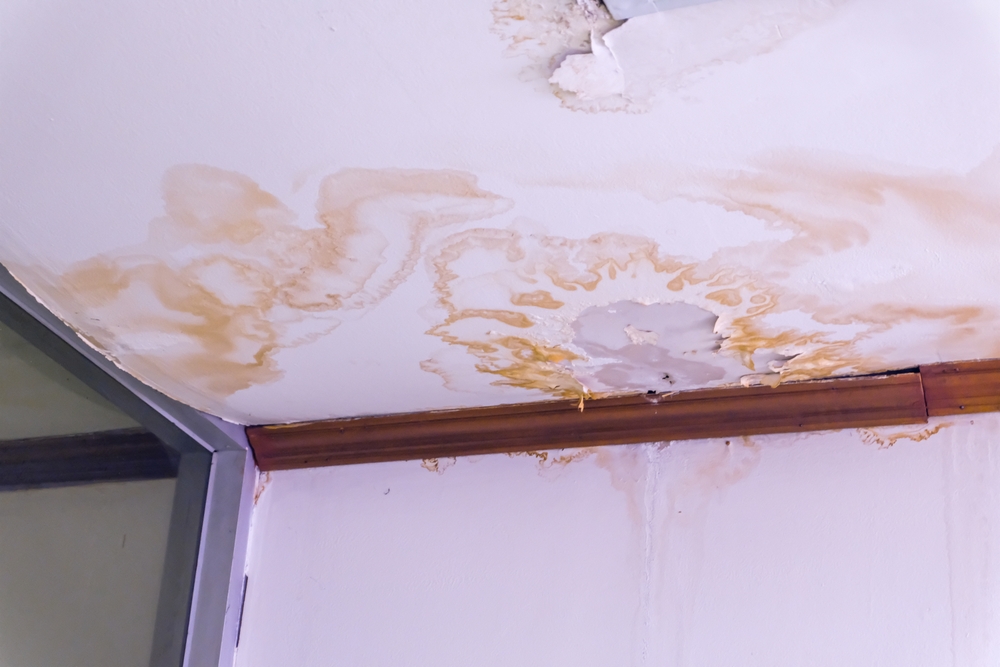
June 27, 2026 3:46 pm Leave your thoughtsA powerful summer storm rolls through the Roaring Fork Valley, leaving behind roof leaks, wet drywall, and soaked crawl spaces. A few days later, the visible water is gone, but many property owners are left wondering what they cannot see. Is it simply water damage, or has mold already started to develop?
Mold growth and water damage often go hand in hand after severe weather events in Western Colorado. Understanding when to test can help protect your property, indoor air quality, and long-term investment.
Mold testing should be considered when water intrusion remains unresolved for more than 24 to 48 hours, when moisture becomes trapped behind building materials, or when occupants notice musty odors, staining, or respiratory concerns after a storm. In mountain communities such as Basalt, Aspen, Glenwood Springs, Avon, Vail, and Eagle, rapid weather changes, snowmelt, and storm-driven moisture can create hidden conditions that support mold growth long after visible water has disappeared.
What Western Colorado Property Owners Should Know
- Water damage and mold are not the same issue. Water damage occurs immediately, while mold can begin developing within 24 to 48 hours when moisture remains present.
- Mountain storms in Eagle County and Garfield County often create hidden moisture pockets inside walls, attics, and crawl spaces.
- Mold growth may occur even when surfaces appear dry.
- Professional moisture assessment can help determine whether additional testing is necessary after a storm.
- Independent inspection and testing provide objective information without the conflict of interest associated with remediation companies.
Mountain weather creates unique challenges for residential and commercial properties. Heavy rainfall, ice dams, rapid snowmelt, and seasonal freeze-thaw cycles can allow water to penetrate roofing systems, foundations, and exterior wall assemblies.
Properties throughout Basalt, Aspen, Glenwood Springs, Avon, Vail, and Eagle often feature complex rooflines, finished basements, and mountain construction materials that can conceal moisture. In many cases, the visible signs of water damage disappear long before underlying moisture issues are resolved.
When water enters a building, property owners typically focus on drying affected areas. However, moisture trapped inside drywall, insulation, flooring systems, or crawl spaces can continue creating conditions that support mold growth.
At HealthSafe Inspections Inc., we regularly help homeowners, commercial property managers, real estate professionals, and contractors determine whether storm-related water intrusion requires further investigation. Because we provide strictly independent inspections and do not perform remediation work, our findings remain unbiased and focused solely on the property’s actual condition.
Mountain storm damage requires more than a visual inspection. Hidden moisture can remain inside building assemblies long after surfaces appear dry, creating conditions that support mold growth and potentially affect indoor air quality. Prompt assessment helps identify whether additional testing is warranted before problems become more extensive.
Properties throughout the Roaring Fork Valley and Eagle Valley face seasonal moisture risks from thunderstorms, snowmelt, roof leaks, and drainage issues. Early evaluation can help distinguish between temporary water damage and conditions that may require mold testing or additional environmental assessment.
Storm-Related Moisture Risks Across Western Colorado
- Summer thunderstorms can force water beneath roofing materials and around window assemblies.
- Snow accumulation and ice dams may introduce moisture into attics and wall cavities.
- Finished basements and lower-level living spaces are particularly vulnerable to hidden moisture intrusion.
- Commercial buildings with flat roofing systems often experience water infiltration after severe weather.
- Older properties may contain building materials that retain moisture longer than modern products.
- Water intrusion during renovation projects may expose additional environmental concerns requiring asbestos testing glenwood springs property owners should address before repairs begin.
- Buildings constructed before modern regulations may require evaluation for asbestos-containing materials prior to demolition or restoration activities.
What Local Conditions Reveal About Post-Storm Moisture Problems
Post-storm moisture problems in Western Colorado often develop in concealed spaces rather than on visible surfaces. Field observations throughout the mountain corridor show that roof leaks, attic moisture, wet insulation, and crawl space humidity are among the most common contributors to mold growth after severe weather.
The Colorado climate creates a unique pattern where daytime drying may conceal moisture that remains trapped within building assemblies. This is especially common in properties with complex roof structures and finished lower levels.
How Water Damage Impacts Homes and Commercial Buildings
Water damage affects homes and commercial buildings by weakening materials, reducing indoor air quality, and creating conditions that may support mold growth. The longer moisture remains trapped, the greater the potential for structural deterioration and contamination concerns.
For homeowners, water intrusion may damage drywall, flooring, insulation, and personal belongings. For commercial property managers, prolonged moisture can disrupt operations, create tenant concerns, and increase restoration costs.
In high-value mountain communities, early detection is especially important because repair costs often increase significantly when hidden moisture remains undiscovered.
Expert Perspective on Testing After a Storm
Mold testing is most appropriate when moisture has been present long enough to support microbial growth or when symptoms suggest contamination may already exist. Testing can help identify whether mold is present, determine the extent of the issue, and guide remediation decisions.
We frequently encounter situations where property owners assume drying equipment solved the problem, only to discover elevated moisture levels remain behind walls or beneath flooring. Professional evaluation helps eliminate guesswork and provides objective information for decision-making.
Our inspections are supported by state-certified expertise. Jim Baker holds Colorado Department of Public Health and Environment (CDPHE) asbestos certifications including Building Inspector, Air Monitoring Specialist, and Project Designer credentials. This regulatory knowledge is especially valuable when storm damage affects older structures that may contain regulated building materials.
Signs That Mold Testing May Be Needed
Mold testing may be needed when moisture remains present after a storm or when indicators suggest hidden contamination. The following warning signs should not be ignored:
- Persistent musty odors.
- Visible staining that continues to expand after drying.
- Water-damaged drywall or insulation.
- Condensation inside wall cavities or attics.
- Occupant complaints involving irritation or respiratory discomfort.
- Repeated moisture readings in the same area.
- Past flooding or recurring leak history.
- Delayed repairs following a storm event.
Waiting too long can allow contamination to spread into additional building materials and increase restoration complexity.
When Professional Testing Becomes Necessary
Professional testing becomes necessary when moisture cannot be fully verified as dry, when contamination is suspected, or when health and liability concerns exist. Property owners can monitor visible areas, but hidden moisture conditions often require specialized equipment and expertise.
Mountain weather patterns, fluctuating temperatures, and complex building designs make professional evaluation particularly valuable throughout the region.
Common Causes of Mold After Mountain Storms
Mold after mountain storms is most commonly caused by unresolved water intrusion and trapped moisture. In Western Colorado, the most frequent contributors include:
- Roof leaks from wind-driven rain.
- Ice dam formation during winter.
- Foundation seepage during snowmelt.
- Crawl space humidity accumulation.
- Window and door flashing failures.
- Plumbing leaks discovered during storm recovery.
- Delayed drying after flooding events.
Properties undergoing repairs may also require asbestos consulting basalt co property owners can rely on when older materials are disturbed during restoration.
Preventing Mold Growth After Water Damage
Preventing mold growth requires rapid drying, moisture monitoring, and thorough inspection of affected areas. The first 24 to 48 hours after water intrusion are critical.
Property owners should remove standing water, improve ventilation, document damage, and monitor affected materials. However, moisture hidden behind walls or beneath flooring often requires professional verification.
For older residential and commercial structures, a commercial asbestos inspection may also be appropriate before demolition or major restoration begins.
What Results Property Owners Can Expect
Property owners can expect clearer information, reduced uncertainty, and a better understanding of actual environmental conditions. Testing and inspection help determine whether moisture remains present, whether mold has developed, and what corrective actions may be necessary.
Independent findings also support informed conversations with insurance carriers, contractors, buyers, tenants, and restoration professionals.
Local Insight: In mountain communities, the most expensive moisture problems are often the ones that remain hidden for weeks after the initial storm. Early evaluation frequently identifies issues before extensive demolition or reconstruction becomes necessary.
Common Mistakes After Storm Damage
One common mistake is assuming visible dryness means the problem is solved. The consequence is hidden moisture that remains trapped inside building materials. A better approach is verifying conditions through professional moisture assessment.
Another mistake is beginning demolition without considering regulated materials in older buildings. This can create compliance and safety concerns. Proper environmental evaluation helps avoid unnecessary risks.
A Common Local Scenario
A common local scenario involves a roof leak discovered after a summer thunderstorm near the Roaring Fork Valley. The visible ceiling stain dries within a few days, leading the property owner to believe the issue is resolved.
Several weeks later, musty odors develop and elevated moisture is detected within the ceiling cavity. Testing confirms microbial growth behind drywall that appeared unaffected from the living space. Early inspection could have identified the trapped moisture before conditions worsened.
Inspection Services That Support Storm Recovery
Storm recovery often benefits from environmental inspection services that identify hidden risks before repairs move forward. Independent mold assessments, moisture investigations, asbestos evaluations, clearance testing, and post-remediation verification all contribute to a safer restoration process.
We also provide final clearance air sampling and physical re-inspections after remediation work is completed, helping confirm that affected areas are ready for re-occupancy.
Comparing DIY Monitoring and Professional Testing
DIY monitoring can identify obvious signs of water damage, while professional testing provides objective data regarding moisture and contamination levels. DIY efforts are useful for basic observation, but specialized equipment can detect hidden conditions that are not visible to occupants.
Professional evaluation is particularly valuable for commercial properties, real estate transactions, and buildings with a history of water intrusion.
Serving Mountain Communities Throughout Western Colorado
We proudly serve property owners throughout Basalt, Aspen, Glenwood Springs, Avon, Vail, Eagle, and surrounding mountain communities. Our familiarity with regional weather patterns, building practices, and environmental regulations helps us provide inspections tailored to local conditions.
The Cost of Waiting Too Long
Delaying evaluation after water intrusion can increase repair costs, prolong restoration timelines, and create additional indoor environmental concerns. Hidden moisture may continue affecting structural materials even when visible signs appear minor.
Addressing concerns early often provides more options and helps property owners make informed decisions before damage becomes more extensive.
FAQ
How soon should mold testing occur after a storm?
Mold testing should be considered when moisture remains present beyond 24 to 48 hours or when signs of contamination develop. Early evaluation helps identify potential problems before they spread.
Does water damage always lead to mold growth?
No. Water damage does not always lead to mold growth, but prolonged moisture significantly increases the risk. Rapid drying and verification are important.
Are mountain homes more vulnerable to hidden moisture?
Yes. Mountain homes often experience unique moisture challenges from snowmelt, ice dams, and rapidly changing weather conditions.
Should commercial property managers schedule testing after flooding?
Commercial property managers should consider testing when flooding affects occupied spaces, building materials, or indoor air quality concerns arise.
Why would asbestos testing be needed after storm damage?
Storm-related repairs may disturb older building materials. Asbestos testing helps determine whether regulated materials are present before demolition or restoration begins.
What makes independent inspections valuable?
Independent inspections eliminate conflicts of interest because the inspection company does not profit from remediation work. This helps ensure objective findings and recommendations.
What is included in post-remediation clearance testing?
Post-remediation clearance testing typically includes air sampling, visual assessment, and confirmation that remediation goals have been achieved before re-occupancy.
Do older buildings in Glenwood Springs require additional environmental review?
Older buildings may require additional evaluation because historical construction materials can contain asbestos or other regulated materials that must be addressed properly.
HealthSafe Inspections Inc. has served Western Colorado mountain communities since 2005. We understand the environmental challenges created by severe weather, aging building materials, and complex restoration projects.
Protect Your Property After the Next Mountain Storm
Get clear answers from an independent, state-certified inspection team with deep experience serving Basalt, Aspen, Glenwood Springs, Avon, Vail, Eagle, and surrounding communities. We provide objective assessments, environmental testing, and post-remediation verification to help you move forward with confidence.
Categorised in: Mold, Water Damage
This post was written by admin