
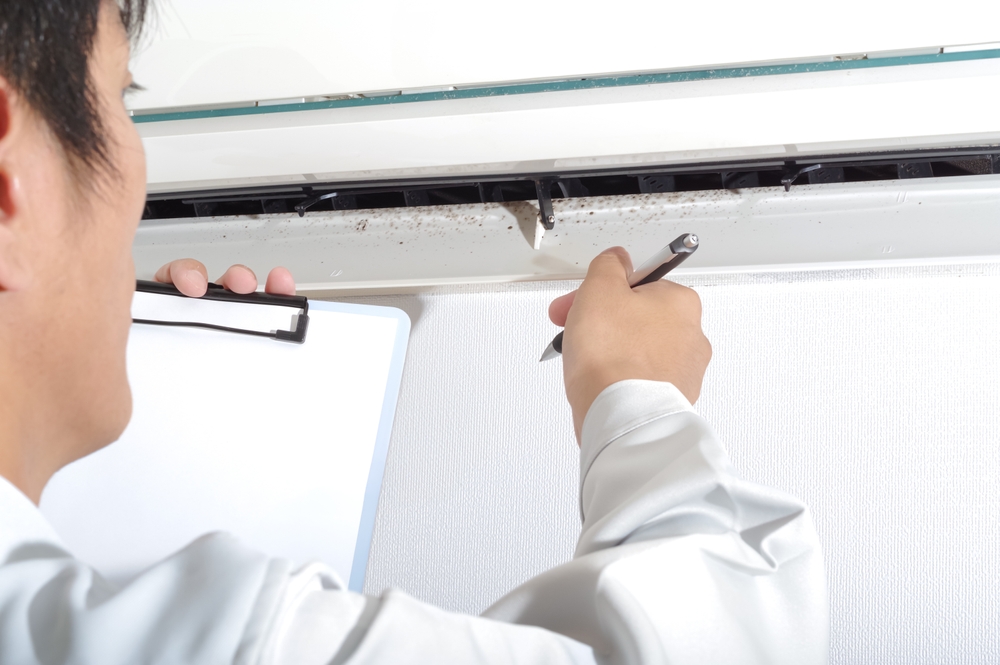
Asbestos vs Mold: Which Is the Bigger Risk in Your Home?
March 23, 2026 1:54 pm Leave your thoughtsWhen homeowners discover potential hazards lurking in their houses, two contaminants often come to mind: asbestos and mold. Both substances can pose serious health risks, yet they operate in fundamentally different ways and require distinct approaches to testing and remediation. Understanding the differences between asbestos vs mold health risks is essential for protecting your family and maintaining your home’s safety. This comprehensive guide explores both hazards to help you identify which threat may be more pressing in your specific situation.
Asbestos: The Persistent Threat
Asbestos is a naturally occurring mineral fiber that was widely used in construction materials throughout the twentieth century. Building manufacturers incorporated this substance into insulation, roofing, flooring, tiles, and numerous other products because of its heat resistance and durability. The problem emerged when scientists discovered that asbestos fibers, once disturbed, become airborne and can be inhaled into the lungs, where they accumulate over time.
The primary danger of asbestos lies in its long latency period. Someone can inhale asbestos fibers and remain completely unaware of any problem for decades. The fibers cause inflammation and scarring of lung tissue, leading to conditions like asbestosis, lung cancer, and mesothelioma. These diseases typically manifest only after twenty to fifty years of exposure, making asbestos an invisible time bomb in many older homes.
Asbestos is particularly hazardous because it requires professional removal. Disturbing asbestos-containing materials can actually release more fibers into your home’s air. Unlike mold, which can sometimes be cleaned by homeowners with proper precautions, asbestos demands certified professionals and specialized containment protocols. The longevity of asbestos fibers means they can remain dangerous for years after initial exposure.
Mold: The Active Invader
Mold represents a different category of home hazard altogether. This fungus grows in damp environments and reproduces by releasing microscopic spores into the air. Unlike asbestos, mold is a living organism that actively thrives in moisture and can spread rapidly throughout your home if conditions remain favorable.
The health effects of mold differ significantly from asbestos exposure. Mold primarily triggers allergic reactions and respiratory issues, particularly in people with asthma, weakened immune systems, or existing allergies. Exposure to mold spores can cause coughing, wheezing, nasal congestion, and eye irritation. Some individuals experience more severe reactions, but chronic illnesses from mold exposure are less common than serious diseases resulting from asbestos inhalation.
What makes mold uniquely problematic is its tendency to worsen quickly. A small moisture problem can transform into extensive mold colonization within weeks. Additionally, mold can damage the structural integrity of your home by breaking down organic materials like wood and drywall. This means mold poses both health and financial threats simultaneously. The good news is that mold can often be addressed through moisture control and proper cleaning, making it more manageable than asbestos in many cases.
Comparing Health Risks: Asbestos vs Mold Health Risks
The severity of health consequences differs dramatically between these two hazards. Asbestos exposure can lead to fatal diseases with no cure. Mesothelioma and lung cancer caused by asbestos are aggressive conditions with poor survival rates. Even non-cancerous asbestosis causes progressive lung damage that worsens over time and can eventually become disabling or fatal.
Mold-related health issues are generally reversible. Once you eliminate mold exposure and improve ventilation, respiratory symptoms typically improve. People can recover from mold-induced asthma attacks or allergic reactions without permanent damage. However, some individuals with severe mold sensitivities or compromised immune systems may experience prolonged complications.
The exposure required for serious harm also differs. With asbestos, even minimal exposure to fibers can eventually cause disease in susceptible individuals. With mold, developing serious health problems typically requires significant exposure in sensitive populations. This doesn’t minimize mold’s importance, but it does suggest that asbestos poses a more universally serious threat.
From a statistical perspective, asbestos-related diseases kill thousands of people annually in the United States alone. Mold-related deaths are far less common, though mold contributes to numerous respiratory complications and quality-of-life issues.
Testing Methods: Mold vs Asbestos Testing
Testing approaches for these contaminants follow completely different protocols. Mold vs asbestos testing cannot be conducted using the same methods or equipment.
For mold detection, homeowners can purchase inexpensive test kits from hardware stores to check for the presence of mold spores. These kits provide quick results, though they’re less precise than professional testing. Visual inspection often reveals mold growth, particularly in bathrooms, basements, and other damp areas. Professional mold inspections use specialized equipment and can identify hidden mold behind walls or in HVAC systems.
Asbestos testing requires certified laboratories and specialized professionals. Samples of suspected asbestos-containing materials must be collected carefully and sent to accredited laboratories for analysis under a microscope. Homeowners should never attempt to collect asbestos samples themselves, as the process of removing a sample can release dangerous fibers. Professional asbestos inspectors use proper containment and handling procedures to safely obtain samples for testing.
The cost difference is notable. Professional mold testing typically costs three hundred to eight hundred dollars, while asbestos testing can range from four hundred to one thousand dollars depending on the scope of testing required. Professional remediation costs differ even more dramatically.
Taking Action: Prevention and Remediation
Preventing asbestos problems primarily involves identification and avoidance. If your home was built before 1980, many materials likely contain asbestos. The best approach is to leave asbestos-containing materials undisturbed if they’re in good condition. Only disturb them when necessary, and always hire certified abatement contractors for removal.
Preventing mold requires controlling moisture. Fix leaks promptly, maintain proper ventilation, use dehumidifiers in damp areas, and ensure gutters drain away from your foundation. These preventive measures are relatively simple and inexpensive compared to managing an established mold problem.
Remediation strategies differ accordingly. Asbestos removal is expensive, highly regulated, and requires licensed professionals. Mold remediation often involves moisture source elimination, cleaning affected areas, and improving ventilation. Homeowners can sometimes address minor mold problems themselves, though severe infestations require professional intervention.
Conclusion
Both asbestos and mold pose legitimate health risks, but asbestos presents the more serious long-term threat due to its irreversible health consequences and the decades-long latency period before symptoms appear. However, mold demands immediate attention because of its rapid growth and property damage potential. The best approach involves identifying whether your home contains asbestos through professional inspection, controlling moisture to prevent mold growth, and addressing any problems promptly with appropriate professionals. By understanding the distinct dangers of each substance, you can prioritize your home safety efforts effectively.
Need Biohazard Consulting Near You?
Welcome to HealthSafe Inspections, Inc.! We are a locally owned and operated business that provides quality services to customers in Aspen and the surrounding cities. With over 35 years of experience in the industry, we strive to maintain the friendly and trustworthy reputation that we have built. HealthSafe Inspections, Inc. is an indoor environmental consulting firm. Our services include on-site investigation and sampling, report writing, recommendations, and post-remediation verification. After an initial consultation, we are able to determine what is needed. We also consult and test for several indoor contaminants, such as allergens, asbestos, bacteria, mold and fungus, radon gas, and more. Contact us today to learn more about what we can do for you!
Categorised in: Uncategorized
This post was written by admin